
Retinol & Retinal Guide: 10 Best Korean Skincare Products

Korean Retinol & Retinal Guide: Benefits, Differences, How to Use Them, and the Best Korean Products
Retinoids have become one of the most researched ingredients in modern skincare. Whether you are hoping to soften the look of fine lines, improve uneven texture, or reduce the appearance of post-breakout marks, retinol and retinal are among the most popular options available today.
Korean skincare brands have embraced these vitamin A derivatives while pairing them with nourishing ingredients that help support the skin barrier. This combination makes many Korean formulas suitable for people looking for effective yet comfortable daily skincare.
In this guide, we'll explain the differences between retinol, retinal, and retinoids, discuss their benefits, answer common questions, and introduce some of the most popular Korean products.
What Are Retinoids?
Retinoids are a family of vitamin A derivatives used in skincare. They are known for encouraging skin cell turnover and supporting collagen production, which can improve the overall appearance of the complexion over time.
Several forms are commonly found in skincare:
-
Retinol
-
Retinal (Retinaldehyde)
-
Retinyl esters
-
Prescription retinoids such as tretinoin or adapalene (availability varies by country)
Each form works differently and varies in strength, stability, and potential for irritation.
What Is the Difference Between Retinol and Retinal?
Although the names sound similar, retinol and retinal are not identical.
Retinol
Retinol is one of the most widely used cosmetic retinoids. After application, the skin converts retinol into retinal and then into retinoic acid, the active form that interacts with skin cells.
Because this conversion requires several steps, results typically develop gradually with consistent use.
Retinol is often recommended for beginners because many formulations are available in lower concentrations.
Retinal (Retinaldehyde)
Retinal requires one fewer conversion step before becoming retinoic acid. This means it may work more efficiently than retinol while still being available without a prescription in many countries.
Many people choose retinal when they want visible improvements but prefer to avoid prescription-strength products.
Retinol vs. Retinal vs. Retinoids: Which Is Better?
There is no universal answer because the best option depends on your skin type, goals, and experience.
-
Retinyl esters are generally considered the gentlest but may produce more gradual results.
-
Retinol offers a balance between effectiveness and tolerability for many users.
-
Retinal may deliver improvements more efficiently because it requires fewer conversion steps.
-
Prescription retinoids are typically the strongest option but should only be used under appropriate medical guidance.
If you are new to vitamin A skincare, beginning with a lower-strength retinol or retinal product and introducing it gradually is often a practical approach.
Which Type of Retinol Is Most Effective?
The effectiveness of a product depends on more than just the ingredient name.
Several factors influence performance:
-
Stable formulation
-
Appropriate concentration
-
Packaging that protects sensitive ingredients
-
Consistent use
-
Compatibility with your skin
Retinal is often considered more potent than retinol because it converts to active retinoic acid more directly. However, a well-formulated retinol serum may still provide excellent long-term results when used consistently.
What Does Retinol Do for Your Skin?
When introduced carefully into a skincare routine, retinol may help improve several visible skin concerns.
Potential cosmetic benefits include:
-
Supporting smoother-looking texture
-
Softening the appearance of fine lines
-
Improving the look of uneven skin tone
-
Reducing the appearance of post-acne marks
-
Promoting a brighter-looking complexion
-
Helping skin appear firmer over time
-
Refining the appearance of enlarged pores caused by excess oil and congestion
Individual results vary depending on skin condition, formulation, and regular use.

Benefits of Retinol and Retinal
Both ingredients share many similar cosmetic benefits.
Smoother Skin Texture
Regular use encourages natural skin renewal, helping rough areas gradually appear softer.
Brighter Complexion
By supporting healthy cell turnover, dull-looking skin may become more radiant.
Reduced Appearance of Fine Lines
Vitamin A derivatives help support collagen production, which contributes to firmer-looking skin.
More Even Skin Tone
They may gradually improve the appearance of discoloration left after blemishes or sun exposure.
Improved Overall Skin Appearance
Many users notice smoother, healthier-looking skin after several months of consistent use.
Is It Okay to Use Retinol Every Day?
Yes—but not immediately.
Most beginners benefit from introducing retinol slowly.
A gradual schedule often looks like this:
-
Week 1–2: once or twice weekly
-
Week 3–4: every three nights
-
After adjustment: every other night or nightly if comfortable
If redness, excessive dryness, or peeling develops, reduce the frequency until your skin feels comfortable again.
Can You Use Retinol Every Night?
Some people eventually tolerate nightly application without difficulty.
Others achieve excellent results using it only three or four evenings each week.
More frequent use does not necessarily produce faster improvements. Healthy skin barrier function remains important for achieving long-term results.
How to Use Retinol or Retinal Safely
A simple evening routine often works well:
-
Cleanse the skin.
-
Apply a gentle hydrating toner or essence if desired.
-
Use a pea-sized amount of retinol or retinal.
-
Finish with a moisturizer.
Daily sunscreen during daytime is highly recommended because retinoids can increase the skin's sensitivity to sunlight.
Avoid introducing multiple strong exfoliating ingredients at the same time, especially when beginning a retinoid routine.
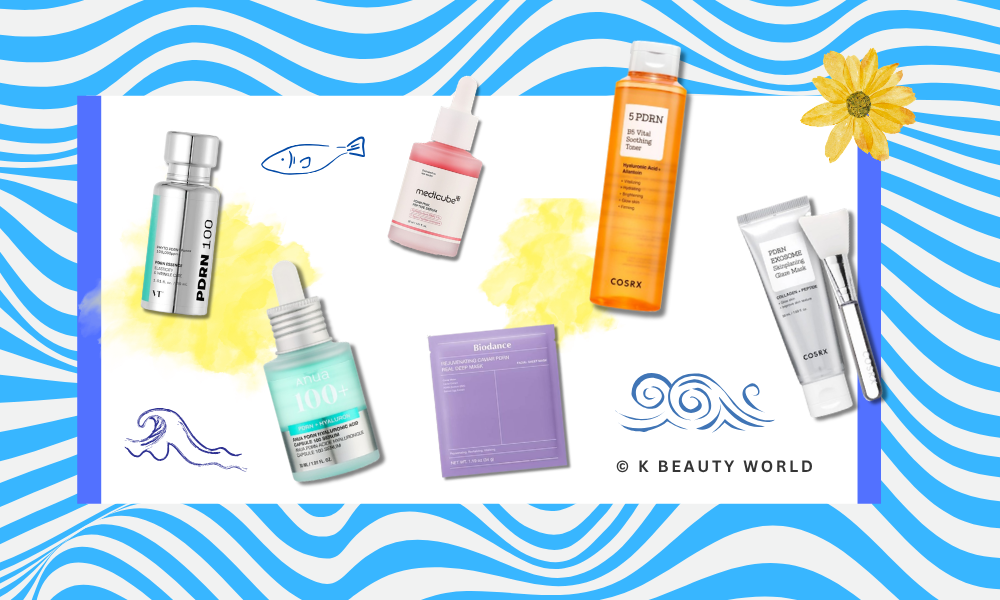
If you're building an anti-aging routine, PDRN in Korean skincare can also be considered alongside retinol or retinal, particularly when your routine focuses on hydration and skin conditioning.
What Do Koreans Use Instead of Retinol?
While retinol and retinal have become increasingly popular in Korea, many people also choose ingredients that focus on hydration, skin barrier support, and gentle brightening.
Common alternatives include:
-
Bakuchiol
-
Ginseng extract
-
Fermented ingredients
-
Peptides
-
Centella asiatica
-
Niacinamide
-
Ceramides
These ingredients are often combined with retinol or retinal to improve comfort while supporting healthy-looking skin.
Best 10 Korean Retinol and Retinal Skincare Products
Many Korean brands now offer carefully formulated vitamin A skincare designed for different experience levels.
1. Beauty of Joseon Revive Eye Serum: Ginseng + Retinal
Beauty of Joseon Revive Eye Serum combines retinal with nourishing ginseng extract to care for the delicate eye area. Its lightweight texture absorbs comfortably while helping improve the appearance of fine lines and uneven texture. Suitable for an evening skincare routine focused on smoother, healthier-looking skin.
2. K-Secret SEOUL 1988 Eye Cream: Retinal Liposome 4% + Fermented Bean
K-Secret SEOUL 1988 Eye Cream features retinal liposomes, fermented bean extract, and moisturizing ingredients to care for tired-looking eyes. The nourishing formula helps improve the appearance of fine lines while supporting soft, supple skin. Ideal for those seeking gentle overnight care around the eye area.
3. Celimax The Vita A Retinal Shot Tightening Booster
Celimax The Vita A Retinal Shot Tightening Booster contains retinal alongside skin-conditioning ingredients to help refine texture and improve the appearance of firmness. Its concentrated formula is designed for evening use and leaves skin feeling smooth while supporting a more refreshed, even-looking complexion.
4. Purito Seoul TXA 6 Niacinamide 10 Retinal Serum
Purito Seoul TXA 6 Niacinamide 10 Retinal Serum combines retinal, niacinamide, and tranexamic acid derivatives in a lightweight formula. It helps improve the appearance of uneven tone, texture, and fine lines while providing hydration for a balanced, healthy-looking complexion with regular nighttime use.
5. Some By Mi Retinol Intense Advanced Triple Action Eye Cream
Some By Mi Retinol Intense Advanced Triple Action Eye Cream blends retinol, retinal, and nourishing ingredients to care for delicate skin around the eyes. The creamy texture helps improve the appearance of fine lines while leaving the eye area feeling soft, hydrated, and comfortable after use.
6. COSRX The Retinol 0.3 Cream
COSRX The Retinol 0.3 Cream contains a higher-strength retinol formula developed for users already familiar with vitamin A skincare. It helps improve the appearance of uneven texture, fine lines, and loss of firmness while moisturizing ingredients support skin comfort during your evening routine.
7. Medicube Deep Vita A Retinol Serum
Medicube Deep Vita A Retinol Serum combines vitamin A with hydrating ingredients to support smoother-looking skin and improved texture. The lightweight serum absorbs easily and helps soften the appearance of fine lines while promoting a brighter, more even-looking complexion with consistent nighttime application.
8. Numbuzin No.9 NAD Bio Lifting-sil Essence

Numbuzin No.9 NAD Bio Lifting-sil Essence is formulated with advanced skincare ingredients that help improve the appearance of skin elasticity and firmness. Its silky texture layers comfortably under moisturizer, providing hydration while supporting a smoother, more refined complexion as part of a daily routine.
9. Heimish RX Retinol Bakuchiol Eye Cream
Heimish RX Retinol Bakuchiol Eye Cream combines retinol with bakuchiol and moisturizing ingredients to care for delicate skin around the eyes. The nourishing formula helps improve the appearance of fine lines while maintaining skin comfort, making it suitable for an evening skincare routine.
10. Torriden Cellmazing Firming Eye Cream
Torriden Cellmazing Firming Eye Cream provides hydration while helping improve the appearance of skin elasticity around the eyes. Its lightweight cream texture absorbs smoothly and leaves the delicate eye area feeling soft, refreshed, and comfortably moisturized for daily care.
Who Should Consider Retinol or Retinal?
These ingredients may be suitable for adults looking to improve the appearance of:
-
Fine lines
-
Uneven texture
-
Dull-looking skin
-
Post-acne marks
-
Loss of firmness
People with very sensitive skin may prefer to begin with lower concentrations or use the product less frequently while monitoring how their skin responds.
If you are pregnant or breastfeeding, consult a qualified healthcare professional before using vitamin A skincare products, as recommendations may vary.
Frequently Asked Questions
Does retinal work faster than retinol?
Retinal converts to retinoic acid in fewer steps than retinol, so it may produce visible improvements more efficiently for some people.
Which is better for beginners?
Many beginners start successfully with a low-strength retinol or a gentle retinal formula, depending on their skin sensitivity and previous skincare experience.
How long does it take to see results?
Some people notice smoother skin within several weeks, while improvements in the appearance of fine lines and uneven tone often require several months of consistent use.
Can I combine retinol with vitamin C?
Many people use vitamin C in the morning and retinol or retinal in the evening to simplify their routine and reduce the chance of irritation. Individual tolerance varies.
Should I moisturize after applying retinol?
Yes. A moisturizer can help reduce dryness and support the skin barrier, especially during the adjustment period.
⭐ Looking for a complete routine tailored to different skin concerns? See our Korean Skincare Routine for Every Skin Concern.
Final Thoughts
Retinol and retinal remain among the most respected cosmetic ingredients for improving the visible signs of skin aging and uneven texture. While both belong to the retinoid family, retinal converts more directly into the active form used by the skin, whereas retinol offers a gradual approach that many beginners appreciate.
Korean skincare brands continue to develop formulas that pair these ingredients with hydrating and soothing botanicals, making them an excellent choice for anyone seeking effective yet comfortable skincare.
The most successful routine is one that matches your skin's needs, starts gradually, and prioritizes consistency over intensity.

Leave a comment
This site is protected by hCaptcha and the hCaptcha Privacy Policy and Terms of Service apply.